
Online Therapy for Rural & Mountain Communities: Is It Actually Effective?
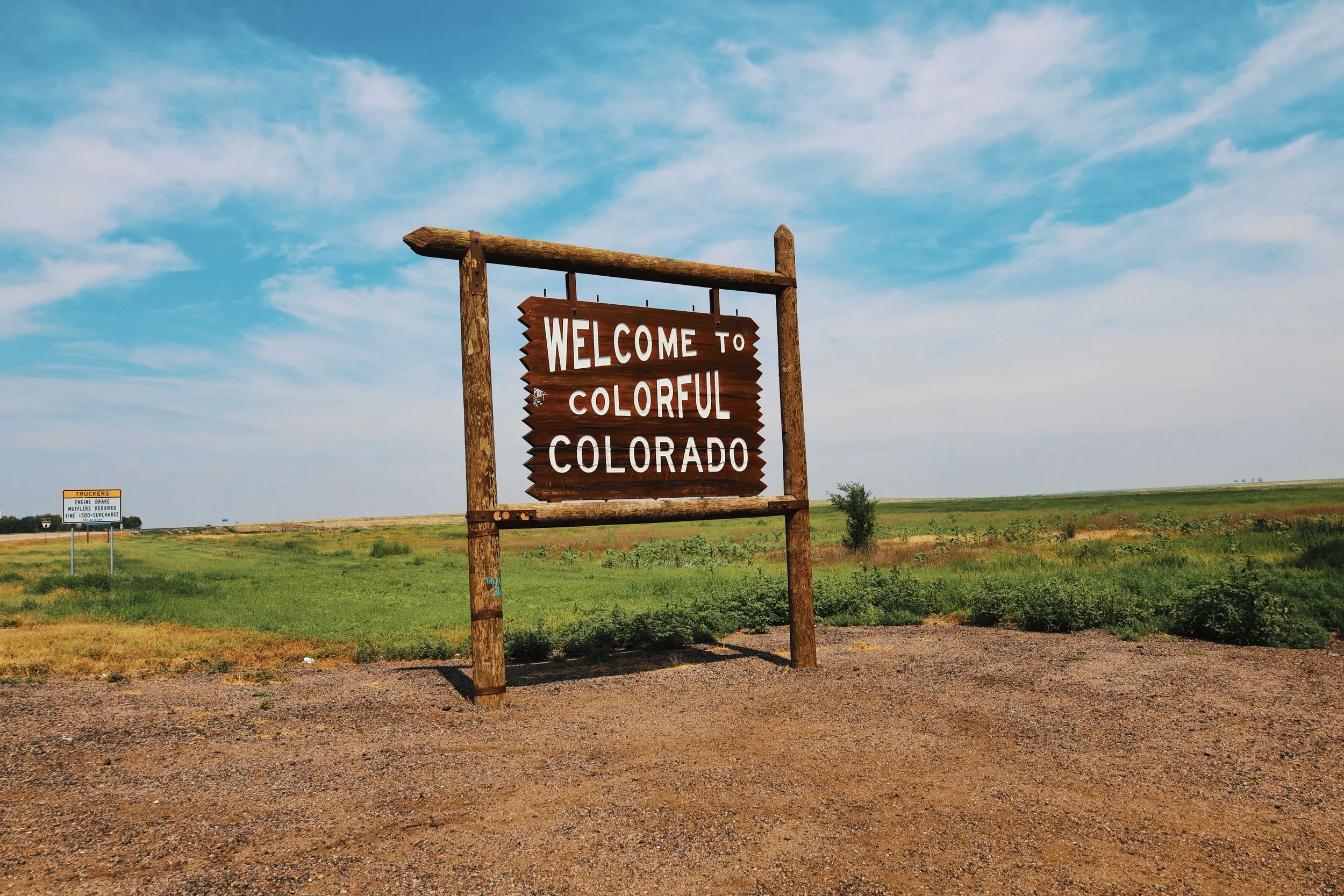
Living in rural Colorado has a lot going for it. The beauty, the space, actual stars at night, the quiet sounds of wildlife and rustling trees, the mountain views, and the way the sun sets over the peaks.
But one challenge in rural or mountain living is access to services beyond grocery stores or the Kum & Go on the main road. If you’re looking for support for a challenge you're facing, mental health struggles you’ve been trying to manage, or a big life change approaching, finding a therapist can be challenging when the town you live in everybody knows everyone by their first and last name (aka, small).
As a therapist who lives in the Rocky Mountains in Colorado, I know what it is like to plan around trips to town, make sure necessities are covered, and work full time from home or at the office. There’s a lot more planning and intentionality if you’re going to live comfortably way outside of town!
Colorado has struggled with mental health needs for years, but access to care isn’t evenly distributed across the state.
If you live outside Denver, Boulder, Fort Collins, or another larger population center, finding a therapist can involve limited options, long waitlists, long drives, or discovering that the therapist who does have an opening doesn’t actually specialize in what you need.
Online therapy has expanded that access.
Instead of choosing from the handful of therapists within driving distance, you can work with a licensed therapist anywhere in Colorado without leaving your house.
But you’re probably wondering…does online therapy actually work? Is it just as effective as in-person therapy?
As a Colorado therapist who works virtually with adults dealing with complex trauma, PTSD, anxiety, depression, grief, recovery, and the general emotional chaos of being a person, I think it’s worth answering that question without pretending telehealth is either a revolutionary miracle or a sad substitute for “real” therapy.
Because it’s neither.
Key Takeaways, TLDR;
Online therapy can be just as effective as in-person therapy for many mental health concerns.
Rural and mountain communities often face additional barriers to therapy, including distance, weather, limited providers, and privacy concerns.
Virtual therapy gives you access to more therapists across Colorado, making it easier to find someone who actually fits your needs.
The quality of your relationship with your therapist often matters more than whether you’re sitting in the same room.
You don’t have to know whether online therapy will work for you before trying it—you’re allowed to try it, gather information, and change your mind.
Why Finding Therapy in Rural Colorado Can Be So Difficult
One of the strange things about living outside a major city is that distance becomes relative.
You start saying things like, “Oh, that’s only 40 minutes away,” with complete sincerity.
That might be fine when you're making a Costco pilgrimage. It becomes considerably less appealing when you're trying to squeeze a weekly therapy appointment between work, family responsibilities, errands, weather, and everything else happening in your life.
Distance Is More Than Mileage
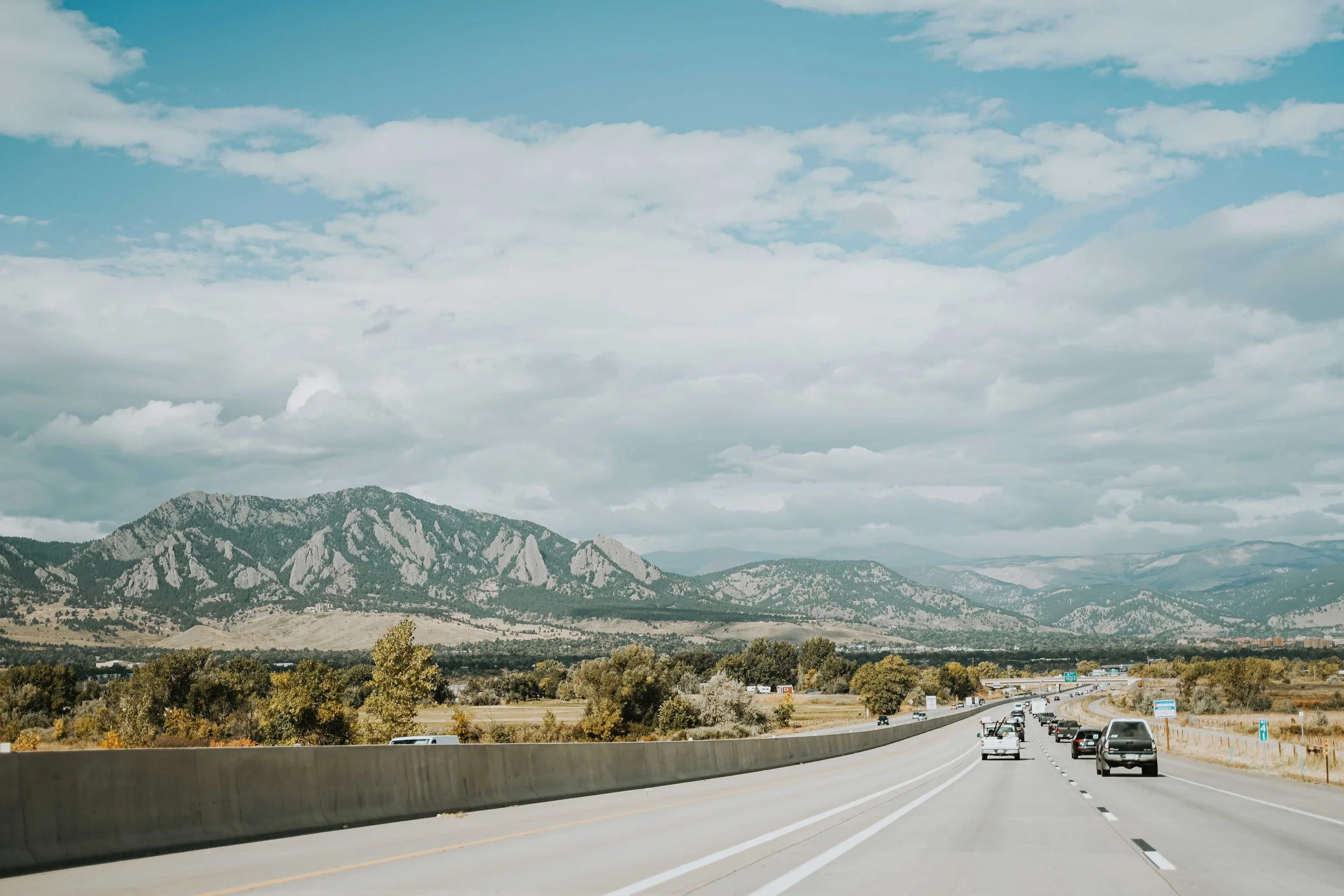
A therapist who is technically 35 miles away may still be more than an hour away depending on the roads, traffic, construction, time of year, elevation, and whatever the Colorado weather has decided to do that afternoon.
And winter adds a whole ‘nother layer.
An appointment that seemed perfectly reasonable when you scheduled it can suddenly involve snow, ice, mountain passes, chain laws, or staring suspiciously at the sky while wondering whether talking about your childhood is worth potentially sliding into a guardrail.
Online therapy removes the commute entirely.
Your drive to therapy becomes approximately the distance between your couch and your laptop. Talk about saving on gas money!
There May Not Be Many Therapists Nearby
In larger cities, people often choose therapists based on specialties, therapeutic approaches, identities, personality, availability, insurance, and whether the therapist seems like someone they could actually talk to.
In rural communities, sometimes the criteria become: 1) do they exist, and 2) are they accepting clients?
Smaller communities naturally have fewer mental health providers (and providers of anything in general), which can make it harder to find specialized care for concerns like complex trauma, PTSD, grief, addiction and recovery, religious trauma, LGBTQIA+ concerns, or complicated family dynamics.
Online therapy expands your options beyond whoever happens to practice within driving distance.
If you're physically located in Colorado during your therapy session, you can work with any Colorado therapist who provides telehealth even if their physical office is several hours away.
That means your therapist search can become less about who is closest and more about who actually feels like the right fit.
Privacy Can Get Complicated in Small Communities
Another barrier for accessing therapy in rural towns is that there are other complications at play. You might know your therapist’s neighbor or landlord. Your therapist might be a bowling league with a co-worker of yours. You may even recognize three people in the waiting room.
Or you might simply not want your truck parked outside the local counseling office every Thursday at 3 p.m. where half the town drives past it on their way home.
That doesn't mean anyone should feel embarrassed about going to therapy. But confidentiality can feel different when you live somewhere everyone seems to be connected by approximately two degrees of separation.
Online therapy allows you to attend sessions privately from a location where you feel comfortable.
No waiting room. No familiar cars in the parking lot. No awkward eye contact with someone you went to high school with fifteen years ago.
Rural Schedules Aren't Always Built Around a 9-to-5
Access isn't only about geography.
People in rural and mountain communities work in agriculture, ranching, tourism, healthcare, education, construction, hospitality, emergency services, and plenty of other jobs that don't always fit neatly into traditional office hours.
Then add caregiving, kids, animals, unpredictable weather, seasonal work, and the normal logistics of being alive.
A 50-minute therapy appointment can easily become a three-hour event once you factor in driving.
Telehealth doesn't magically create more hours in the day, unfortunately. I checked.
But eliminating the commute can make consistent therapy considerably more realistic.
So, Does Online Therapy Actually Work?
Here's the important part.
Yes. For many people and many mental health concerns, online therapy can be effective.
Research on teletherapy has found that virtual psychotherapy can produce outcomes comparable to in-person treatment for a number of common concerns, including anxiety, depression, PTSD, stress, and some relationship difficulties.
That doesn't mean every type of therapy works equally well online, every therapist is equally skilled at providing virtual care, or every person will enjoy telehealth.
Human beings remain annoyingly resistant to one-size-fits-all solutions.
But therapy doesn't become ineffective simply because you and your therapist aren't sitting in the same physical room.
The Relationship Is What Matters More Than the Room
One of the strongest predictors of whether therapy will be helpful is something researchers call the therapeutic alliance.
Basically: Do you trust your therapist? Do you feel understood by them? Can you be honest? Do you feel like you're working together rather than being analyzed by someone holding a clipboard?
That relationship can absolutely develop through telehealth.
A therapist doesn't suddenly become less empathetic because they're on a screen. You don't become less capable of vulnerability because you're sitting on your couch.
The quality of therapy often depends far more on the relationship you build with your therapist, your engagement in the process, and whether you're consistently able to show up than whether you're sitting six feet apart in an office.

“But I’m Awkward Online”
This is the most common concern I’ve found clients have when considering online therapy, and I get it!
We spent years associating video calls with frozen coworkers, accidental muting, and someone saying, “Can everyone see my screen?”
Not exactly the foundation of emotional intimacy.
But therapy over video feels very different from a work meeting.
You're still having a conversation with another person. Your therapist can still notice your expressions, hear changes in your voice, laugh with you, sit with difficult moments, gently challenge you, and remember the tiny detail you mentioned three sessions ago that you assumed they'd forgotten.
The screen is there. But for many people, after a few sessions, it stops being the most noticeable part of the experience.
What If I Don't Connect With My Therapist?
Truthfully - you might not. But that’s true online and in person.
Sometimes you meet a therapist who seems perfect on paper and then spend the entire first appointment thinking, “Absolutely not.”
Finding the right therapist is a little bit like dating or meeting new friends - sometimes you have to meet a few before finding the right fit. You’re not going to know if you’ll vibe together just based on a Psychology Today profile bio.
A therapist's specialties and credentials matter, but personality matters too.
You might want someone gentle or a therapist who is more direct. You might appreciate dark humor that is perfectly timed.
Or you might want a therapist who will compassionately point out when you're intellectualizing your feelings into another dimension.
A consultation can help you get a sense of whether you actually like talking to the person.
Because that’s the biggest predictor of successful therapy: whether or not your therapist vibe together - not if you’re breathing the same air in the same room.
“What If Online Therapy Feels Awkward?”
It might. At first.
So can sitting across from a stranger in an office and immediately explaining the most complicated parts of your life.
Therapy itself is kind of an unusual social arrangement when you think about it too hard.
Most people become more comfortable once they understand the rhythm of virtual sessions. You figure out where you like to sit, whether you want headphones, what lighting doesn't make you look like you're calling from an interrogation room, and whether your cat has decided therapy hour is actually an invitation to sit directly on the keyboard.
The logistics become normal surprisingly quickly.
“I Think I Need to Be in the Same Room as My Therapist”
Some people genuinely prefer in-person therapy. They like leaving their normal environment, having a separate physical space for therapy, or experiencing another person's presence in the room.
Online therapy doesn't need to replace in-person therapy. It simply gives people another way to access care.
If you try virtual therapy and realize you hate talking to a screen, congratulations: you've learned something about yourself! That’s useful information - not a failure.

What Online Therapy Is Actually Like
Virtual therapy is usually much less complicated than people imagine.
A day before and the day of, you’ll receive a secure link for your appointment. You’ll find somewhere private, get comfy on the couch, maybe bring a favorite beverage or two, pull on the weighted blanket and click a button to join your session.
For some people, being in their own environment actually makes difficult conversations easier.
There is something grounding about talking about painful experiences while surrounded by familiar things rather than sitting in an unfamiliar office wondering whether you're allowed to move the decorative pillow.
And when the session ends, you don't immediately have to drive home.
You can take a few minutes to decompress, step outside, journal, cuddle your dog, make lunch, or simply sit there reflecting.
Online Trauma Therapy Can Have Some Unexpected Benefits
For people working through trauma, the idea of doing therapy from home can sometimes feel strange.
But familiar environments can also provide useful grounding.
You have access to your own sensory comforts. Your pets may be nearby. You can choose where you sit. You have more control over your immediate surroundings.
That sense of control can matter, particularly for people whose experiences have taught their nervous systems to constantly scan for danger.
Of course, trauma therapy online requires thoughtful clinical judgment. Your therapist should consider things like privacy, emotional regulation, safety planning, dissociation, and whether telehealth is appropriate for your particular circumstances.
Virtual trauma therapy isn't simply “Zoom while discussing terrible things.”
At least, it shouldn't be!

Remember: You Can Change Your Mind
Here's something I wish we said more often about starting therapy, whether online or not:
You are not signing a lifelong contract.
Trying online therapy does not mean you have to continue online therapy forever.
You can try it, decide if you like it, or hate it. Then you can make a decision from there. Talk with your therapist about how you’re feeling about it.
You can choose in-person therapy later if it becomes available to you.
You are allowed to gather information through experience instead of somehow knowing exactly what will work before you've tried anything.
Sometimes we approach therapy as though we're being asked to make a permanent life decision - you’re not.
You're scheduling an appointment.
Waiting for Certainty Can Keep Us Stuck
This is especially relevant for anxious people, overthinkers, and those of us who would personally prefer a peer-reviewed guarantee before making any moderately important life decision.
We want to know whether something will work before we risk trying it.
Will I like my therapist?
Will therapy actually help?
Will I know what to say?
Will online therapy feel weird?
Will I regret spending the money?
All reasonable questions! The frustrating answer is that you usually can't know all of that beforehand.
Certainty often comes after experience, not before it.
You learn whether you connect with your therapist by talking with them. You learn whether online therapy works for you by experiencing it. You learn whether therapy is helping by paying attention to what changes over time.
You don't have to convince yourself that virtual therapy will definitely work.
You only need enough curiosity to gather some information.
Sometimes Trying Something Different Is the Point
If you've been handling something the same way for months or years and nothing is changing, eventually it may be worth experimenting with another approach.
Not because therapy is magic (it isn’t). Not because a therapist has secret answers to your life (we definitely don't) - but because our brains can become stuck in a rut or a familiar pattern, and having a trained mental health professional support you through exploring and changing that can be so helpful for creating the change you want to see in your life.
Maybe you've been dealing with anxiety by avoiding anything that makes you anxious. Or you've survived trauma by staying busy enough that you never have to think about it.
You could have spent years convincing yourself that other people have it worse, so whatever you're carrying doesn't count.
Or maybe you've been trying to think your way out of feelings that stubbornly refuse to respond to a strongly worded internal memo.
At some point, trying something different can become useful information in itself.
Who Is Online Therapy in Colorado a Good Fit For?
Virtual therapy can be particularly helpful if you live in a rural, mountain, or underserved community where specialized mental health care isn't readily available.
It can also make sense if you have a long commute, work unpredictable hours, travel frequently within Colorado, have transportation limitations, or simply prefer talking from your own environment.
And it can be especially valuable when the therapist who fits your needs isn't the therapist who happens to live closest to you.
Because access shouldn't mean settling for whoever is geographically available.
You deserve the opportunity to find someone who understands what you're actually coming to therapy for.
What You Need for Online Therapy
There are a few practical considerations when getting ready for online therapy.
You'll need a reasonably reliable internet connection, a device with video and audio, and a private place where you can talk comfortably.
Maybe it's a home office, your bedroom with a noise machine outside the door, or another private location where you can safely participate in therapy.
And yes, internet access in rural Colorado deserves its own entire article, but I digress.
If your connection is occasionally unreliable, it's worth discussing backup options with your therapist ahead of time rather than assuming telehealth automatically won't work.
Looking for an Online Therapist in Rural Colorado?
Online therapy isn't right for everyone, but it can be the helpful bridge you need to start changing things in life.
Telehealth has made therapy accessible to people who previously had to choose between driving hours for an appointment, settling for limited local options, sitting on a long waitlist, or simply going without support.
If you live in a rural or mountain community in Colorado, your ZIP code shouldn't determine the quality or type of mental health care available to you.
You also don't need to know with absolute certainty whether online therapy will work for you before scheduling a consultation.
You just need enough curiosity to have one conversation and see how it feels.
I provide online therapy for adults throughout Colorado, with a focus on complex trauma and C-PTSD, anxiety, depression, grief and loss, recovery, relationships, identity, and rebuilding trust in yourself after difficult experiences.
If you've been reading this while quietly wondering, Okay, but would I actually like talking to this therapist? — that's exactly what a consultation is for.
Book a consultation and let's talk. You can ask questions, tell me what you're looking for, and get a feel for whether we might work well together.
And if you're not ready for therapy yet but you'd like to stick around, join my newsletter for mental health resources, practical reflections, book recommendations, and occasional updates from my practice.
You don't have to decide the rest of your life today. A conversation to start is plenty.