
Animal-Assisted Therapy in Colorado
Combining evidence-based counseling with the calming presence of a trained therapy dog

What is Animal-Assisted Therapy (AAT)?
Animal-Assisted Therapy (AAT) is a therapeutic approach that intentionally incorporates animals into the counseling session to support emotional, behavioral, and mental health goals.
Guided by a trained therapist, interactions with an animal can help foster connection, reduce stress, improve emotional regulation, and create a greater sense of comfort and safety during therapy.
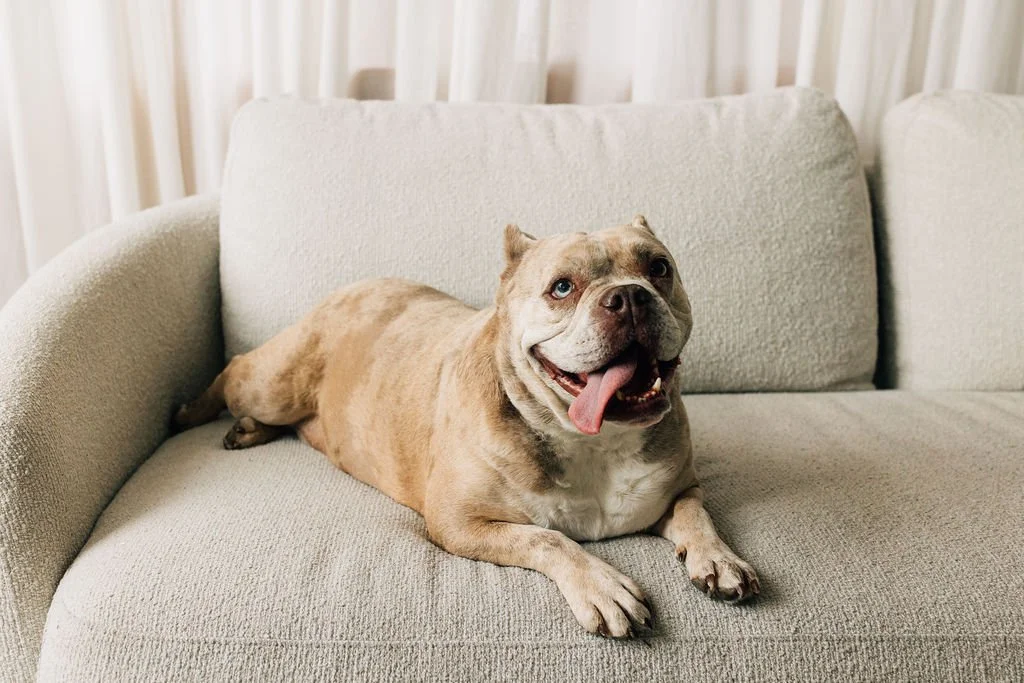
In my practice, AAT involves working alongside my trained therapy dog, Mama, to enhance the therapeutic experience when appropriate.
-
Canine-integrated therapy can be helpful for people experiencing anxiety, stress, trauma, grief, life transitions, or anyone who feels a strong connection to animals and may benefit from a more relational and comforting therapy experience.
Relationships shape how we experience ourselves and the world around us. For many people, a relationship with an animal can provide a unique experience of trust, consistency, and unconditional acceptance.
Through interactions with a therapy dog, clients may have opportunities to explore themes related to attachment, caregiving, boundaries, communication, and emotional connection. These experiences can often serve as a bridge to deeper conversations about relationships in everyday life.
The bond we build with animals can teach us about compassion, vulnerability, responsibility, and connection—skills that often extend far beyond the therapy room.
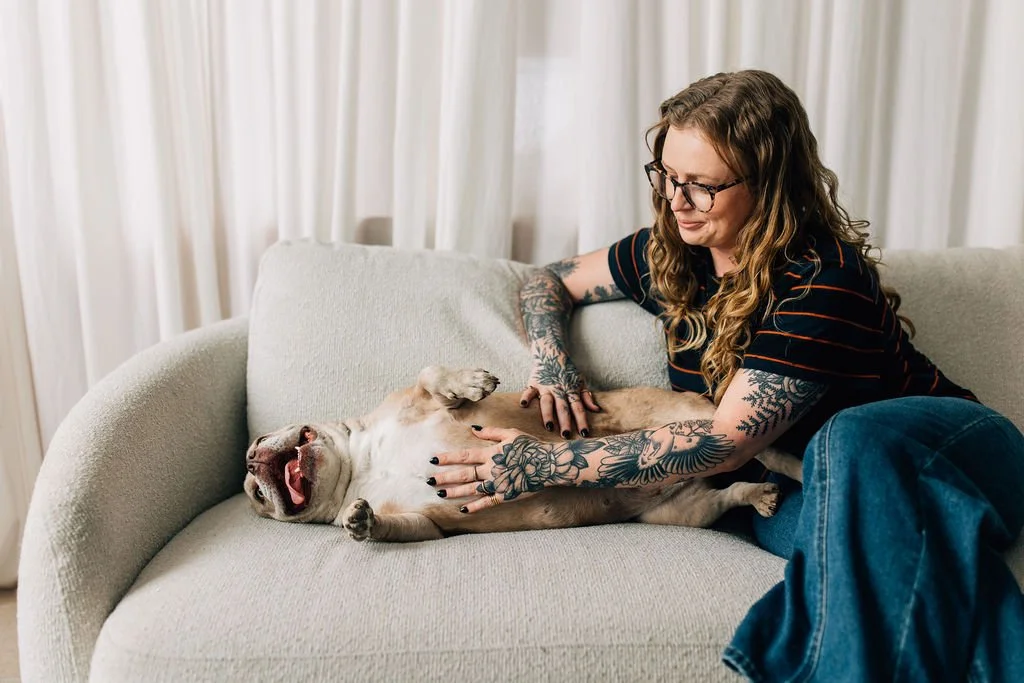

What Does a Therapy Animal Do?
-
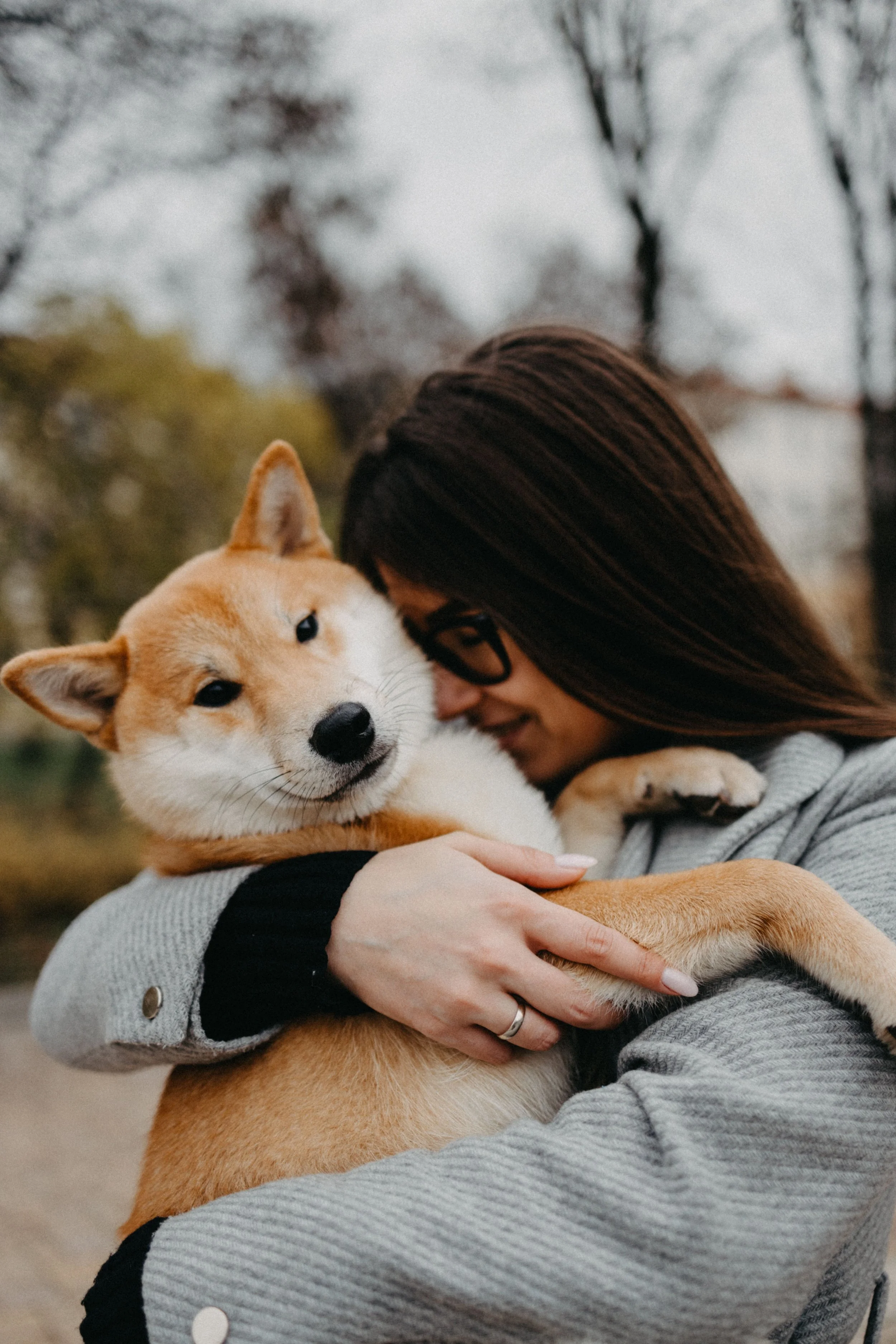
Creates a Sense of Safety
For many people, animals feel less intimidating than humans. Mama’s calm and goofy presence can help clients feel more comfortable, relaxed, and open during sessions.
-

Supports Emotional Growth
Through interacting with Mama, clients may explore trust, attachment, nurturing, boundaries, and connection in a safe and supportive environment.
-
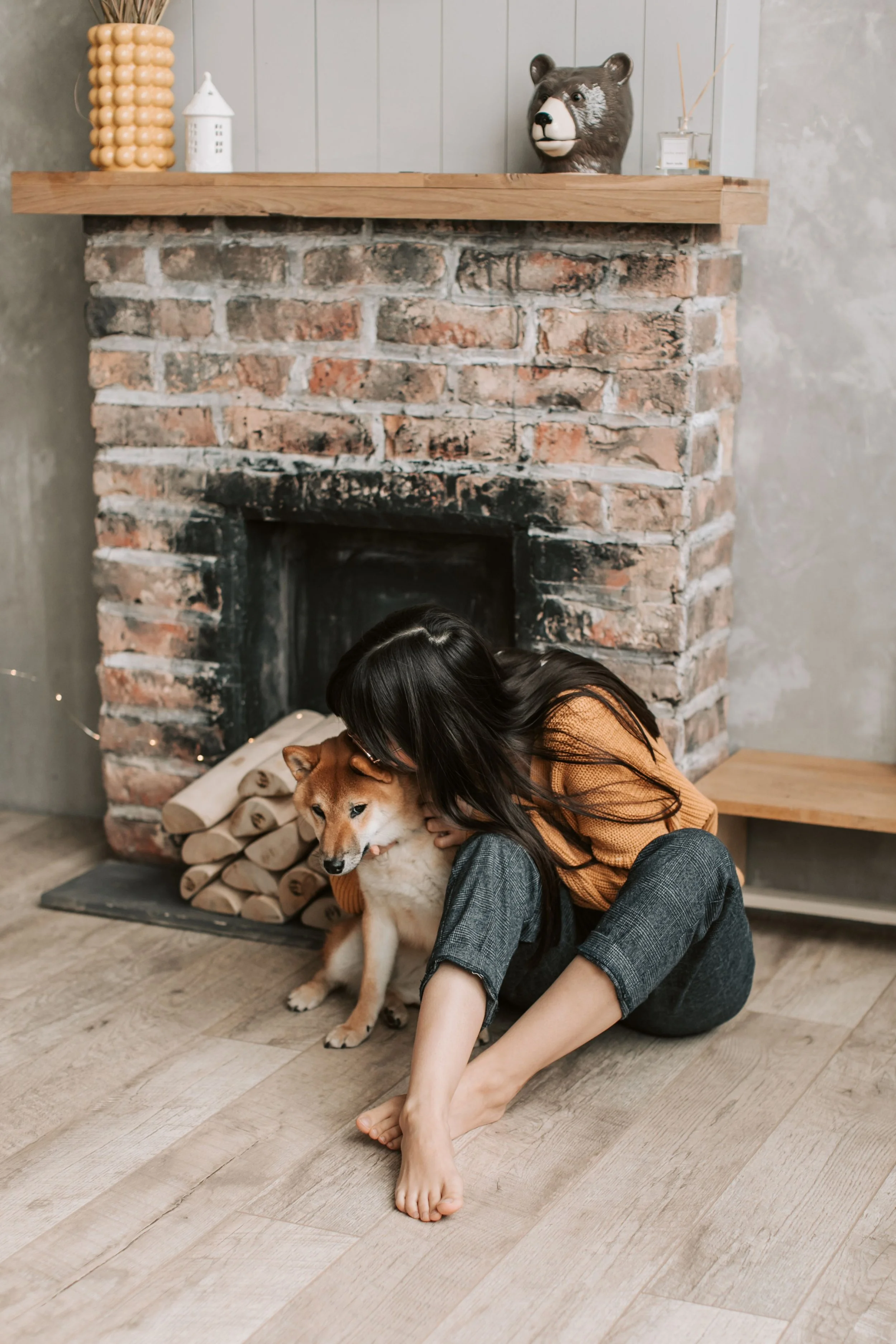
Provides Comfort & Grounding
Whether she’s participating in an activity or simply resting nearby, Mama can help clients stay present, regulated, and connected during difficult conversations.
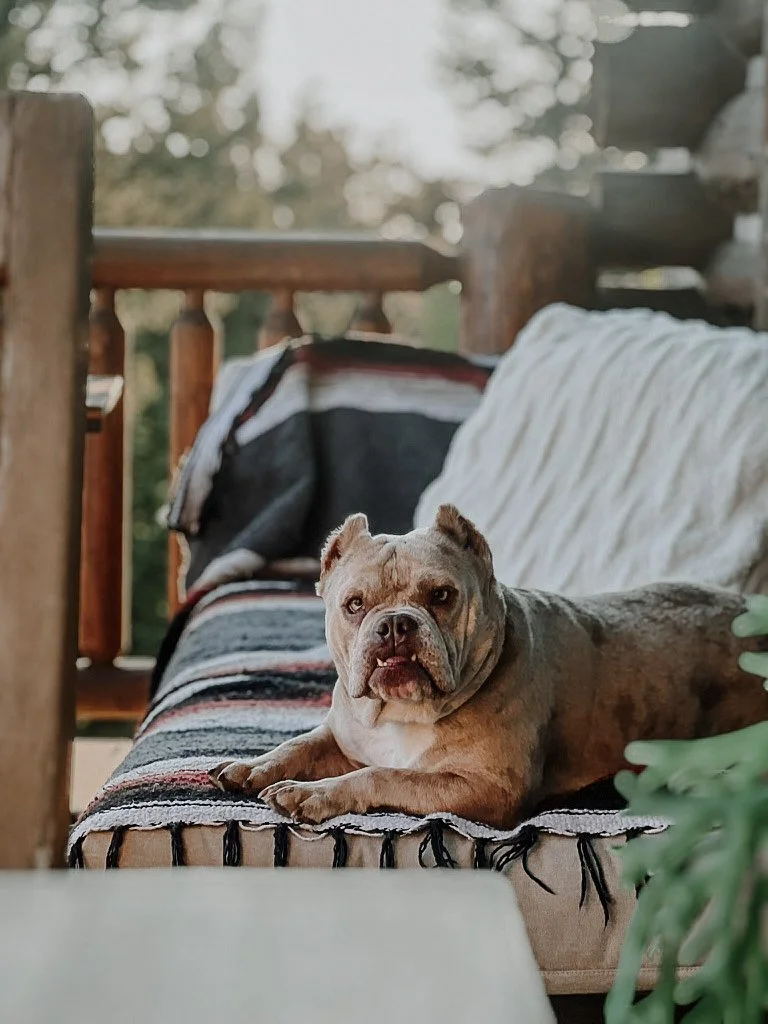
Meet Mama, Mamasita, Piggles, Piggly Wiggly, Certified Good Gurl
Mama is a trained therapy dog who can join sessions as part of canine-integrated therapy services.
While Mama won’t be providing talk therapy (but wouldn’t that be amazing tho?), she helps create a warm, welcoming environment where clients can feel more comfortable, grounded, and connected. For some people, having a dog nearby can make it easier to open up, navigate difficult emotions, or feel more regulated in sessions.
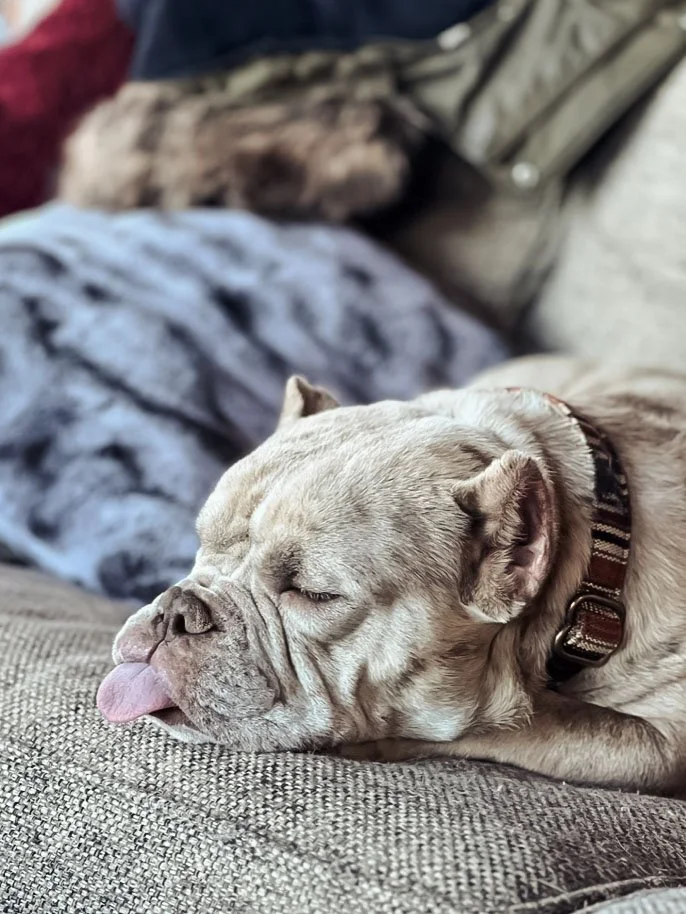
Mama’s role in sessions will always be guided by the needs and comfort level of each client. Some clients may enjoy actively interacting with her, while others may simply appreciate her quiet (sometimes snoring) presence in the room.

Frequently Asked Questions
-
Canine-integrated therapy can be helpful for people experiencing anxiety, stress, trauma, grief, life transitions, or anyone who feels a strong connection to animals and may benefit from a more relational and comforting therapy experience.
-
Not necessarily. Canine-integrated therapy is always based on your comfort level, goals, and clinical needs. Some clients may choose to have Mama present regularly, while others may prefer traditional talk therapy sessions.
-
That’s completely okay. Participation is always optional. We’ll discuss your comfort level before incorporating Mama into sessions, and there is never any pressure to interact with her.
-
No. Mama is not the therapist—I am. Her role is to support the therapeutic environment through her calming presence and the unique benefits of the human-animal bond.
-
Your wellbeing comes first. If you have allergies, sensitivities, or other concerns, we’ll discuss them during the consultation process and determine whether canine-integrated therapy is a good fit.
Wondering if Canine-Integrated Therapy Might Be A Good Fit For You?
1
Reach Out
Schedule a consultation to discuss what’s bringing you to therapy and whether canine-integrated therapy feels like a good fit.
2
Consultation
We’ll discuss your goals, comfort level around dogs, and whether Animal-Assisted Therapy feels like a good fit.
3
Meet Mama
If it’s a good fit, you’ll have the opportunity to work alongside Mama, my trained therapy dog, as part of your healing journey.



Ready to Meet Mama?
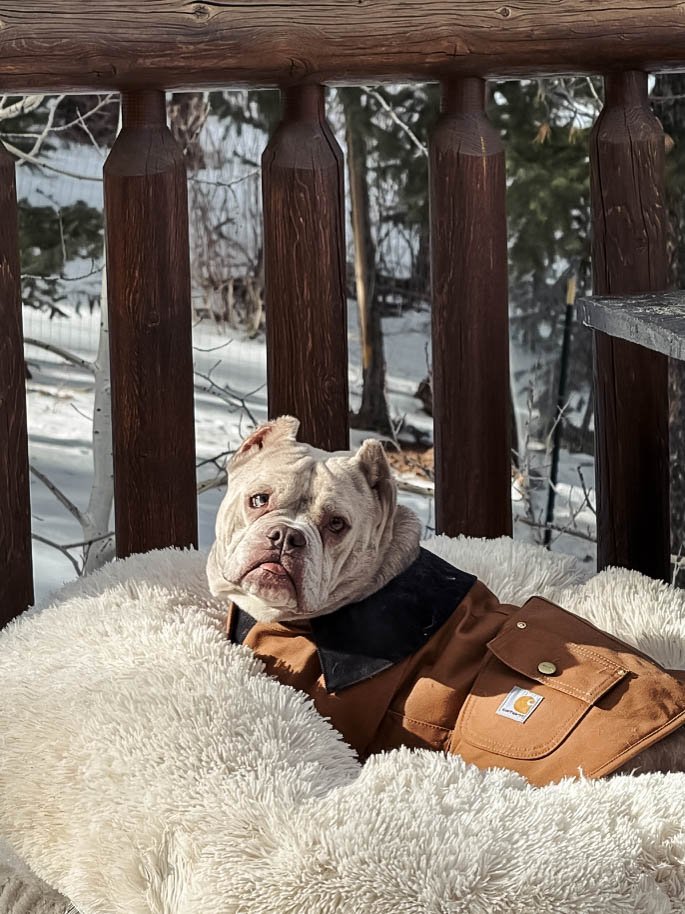
Sometimes having a friendly four-legged companion nearby can make therapy feel a little safer, warmer, and easier.
Let’s explore whether Animal-Assisted Therapy is the right fit for you.