
Why You're Grieving Simon: The Psychology Behind Internet Pet Loss
By Chaucee Stillman, MA, LPcC, Trauma Therapist in coloradoIf you're a dog person on the internet, you probably know Simon.
Simon (@simonsits) is the beloved dog of author and TikTok creator Isabel Klee (@isabelklee), known by so many as the world's best foster brother.
After Simon's epilepsy worsened following a liver cancer diagnosis, Isabel and her fiancé made the heartbreaking decision to say goodbye.
Like so many people online, I was hoping he'd reach a place where his pain was manageable and his quality of life could be preserved. But his illness progressed, and that was no longer possible.
What I'm feeling—and what I imagine many of you are feeling too—is a mix of anticipatory grief and ambiguous grief. I've never met Simon, but his joy, gentleness, and love reached me from thousands of miles away.
This grief is real. It deserves space. It deserves to be felt, moved through, and held with care.
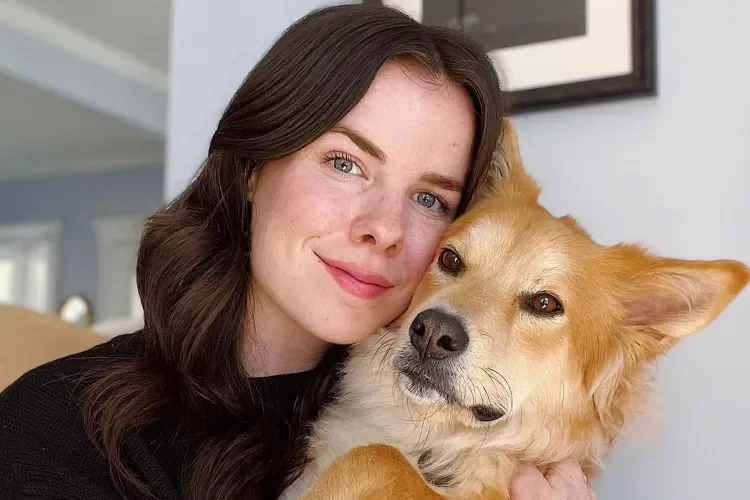
Photo credit: Isabel Klee from Instagram
Is My Grief Even Real?
Yes.
Humans are wired for connection. We form emotional bonds through stories, shared experiences, and repeated moments of care.
Over months or years, many of us watched Simon welcome foster dogs into his home, celebrate their successes, comfort them when they were afraid, and show the world what unconditional love can look like.
Our brains don't build attachment solely through physical proximity. Attachment grows through emotional investment.
When we repeatedly invite someone—or in this case, a dog—into our lives, our nervous system begins to recognize them as familiar. Familiarity creates attachment. And attachment makes loss hurt.
Psychologists sometimes refer to this as parasocial grief: grieving someone you knew through media rather than through an in-person relationship. While the relationship may have been one-sided, the emotions you're experiencing are genuine.
Grief doesn’t stop to ask whether someone was famous, lived next door, or existed through a phone screen.
It simply responds to loss.
This Is Both Anticipatory Grief and Grief Itself
We’ve always known that Simon had epilepsy. He’s lived with it since puppyhood, and as he aged it was managed with the help of exceptional veterinary care.
Then came the liver cancer diagnosis.
For months, we witnessed the ups and downs of Simon’s health, always hoping the next update would bring good news.
That waiting—that hoping while also preparing yourself for the worst—is called anticipatory grief.
Now, when that final goodbye comes, grief itself arrives in full force.
Both are natural responses to loving someone whose story mattered to you.
Allow the Grief to Move Through You
Grief moves at its own pace. We can't rush it, bargain with it, or neatly tuck it away when it's inconvenient.
It's natural to want the pain to go away. But when we spend all of our energy trying not to feel grief, we often end up carrying it longer. The tightness in your chest. The lump in your throat. The heaviness in your shoulders. Those sensations are part of your body trying to process loss.
Opening yourself to grief is painful, but it’s also how we begin to move with it, move through it.
You don't need to justify your grief. You don't have to explain why you're sad. And you certainly don't need anyone else's permission to mourn.
Caring for Yourself While You Grieve
Grief asks something from us. Rather than pushing it away, see if you can care for yourself with the same tenderness Simon seemed to offer every foster dog who crossed his path.
You might:
Write about what Simon meant to you or what his story taught you.
Watch one of your favorite videos and let yourself smile through the tears.
Light a candle in his memory.
Journal about the lessons you’ve learned from Simon.
Hug your own pets a little longer today.
Spend time outside, lay down on the ground.
Talk with someone else who's grieving him.
Cry if that's what your body needs.
There isn't a right way to grieve. There is only your way.
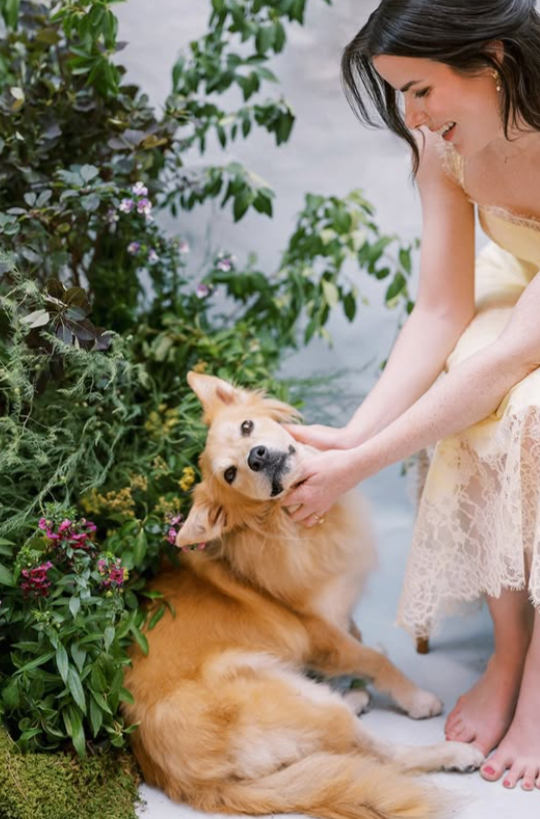
Photo credit: Isabel Klee from Instagram
Rest Easy, Simon
One of the beautiful things about the internet is that it allows extraordinary animals to leave paw prints on hearts all over the world.
Simon reminded millions of people what gentleness, patience, and love could look like.
Those lessons don't disappear because he's gone, and neither does the love people feel for him.
If you're grieving Simon today, know this:
Your grief is real because your love was real.
And that's something worth honoring.
Rest easy, Simon. Thank you for making the world a little softer.
And to Isabel and everyone who loved him most: thank you for sharing Simon with the world. His life mattered to more people than you'll probably ever know.
If you're feeling the weight of this loss, you're not alone. 🤍