
6 Mental Health Books I Always Recommend to My Clients as a Trauma Therapist
Search for “mental health books” and you’ll usually find the same handful of titles recommended over and over again. And don’t get me wrong—many of those books are popular for a reason.
But as a trauma therapist, there are a few books on my shelf that I find myself recommending to clients again and again. These are the books that spark meaningful conversations, help people understand their experiences more deeply, and offer practical guidance for healing.
Whether you’re currently in therapy, considering starting therapy, or simply interested in learning more about trauma, perfectionism, people-pleasing, identity, and recovery, these books are a great place to start.
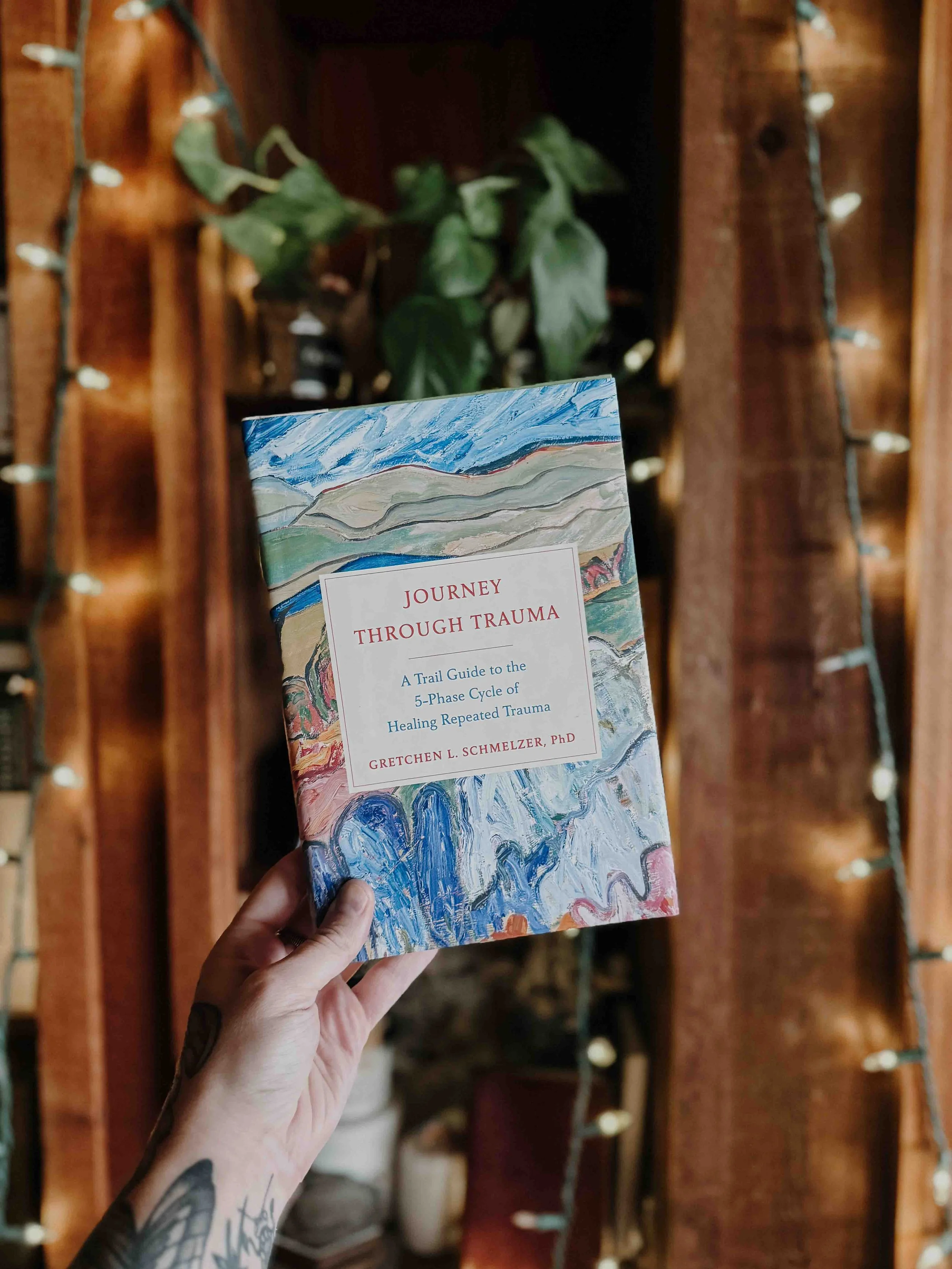
1) Journey Through Trauma: A Trail Guide to the 5-Phase Cycle of Healing Repeated Trauma
by Gretchen L. Schmelzer, PHD
If you’ve ever wondered what trauma therapy actually looks like, this is often the first book I recommend.
Rather than focusing solely on what trauma is, Schmelzer walks readers through the healing process itself. Using the metaphor of a trail guide, she outlines the five phases many survivors move through as they recover from repeated or complex trauma.
One of the things I appreciate most about this book is how validating it is. Healing isn’t presented as a straight line or something that can be rushed. Instead, readers are reminded that setbacks, uncertainty, and difficult emotions are often part of the journey—not signs that they’re doing it wrong.
I recommend this book for: Anyone beginning trauma therapy or looking to better understand their healing process.
Get the Book: Amazon | Bookshop.org
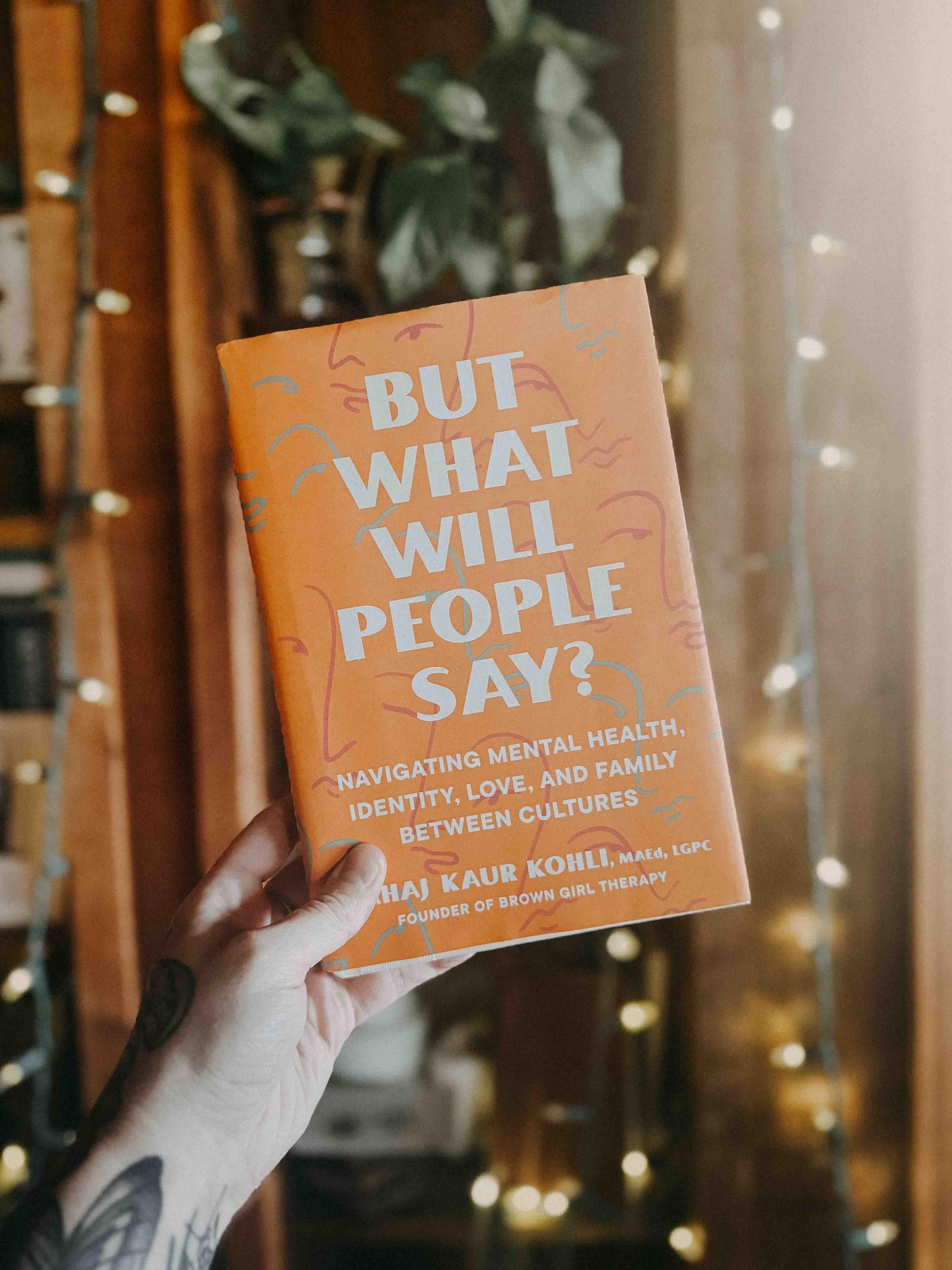
2) But What Will People Say? Navigating Mental Health, Identity, Love, and Family Between Cultures
by Sahaj Kaur Kohli, MAEd, LGPC
Written by the founder of Brown Girl Therapy, this book explores the unique challenges that can arise when mental health, cultural expectations, family dynamics, and personal identity intersect.
Kohli offers thoughtful insights into topics such as people-pleasing, boundary-setting, intergenerational trauma, and navigating relationships while balancing multiple cultural identities. Throughout the book, she combines personal stories, clinical knowledge, and practical reflection exercises.
I particularly appreciate how this book expands the conversation around mental health by acknowledging the cultural contexts that shape our experiences.
I recommend this book for: Anyone navigating cultural expectations, family pressure, identity questions, or the impact of intergenerational trauma.
Get the Book: Amazon | Bookshop.org

3) Are You Mad at Me? by Meg Josephson
This book is EXCELLENT at exploring our people-pleasing tendencies, the hypervigilance that just won’t go away, and the intense fear of rejection that so many trauma survivors carry quietly every day.
The author, Meg Josephson, writes in a way that feels validating, compassionate, and incredibly relatable.
Best for: Readers navigating anxious attachment, overthinking, and chronic people-pleasing.
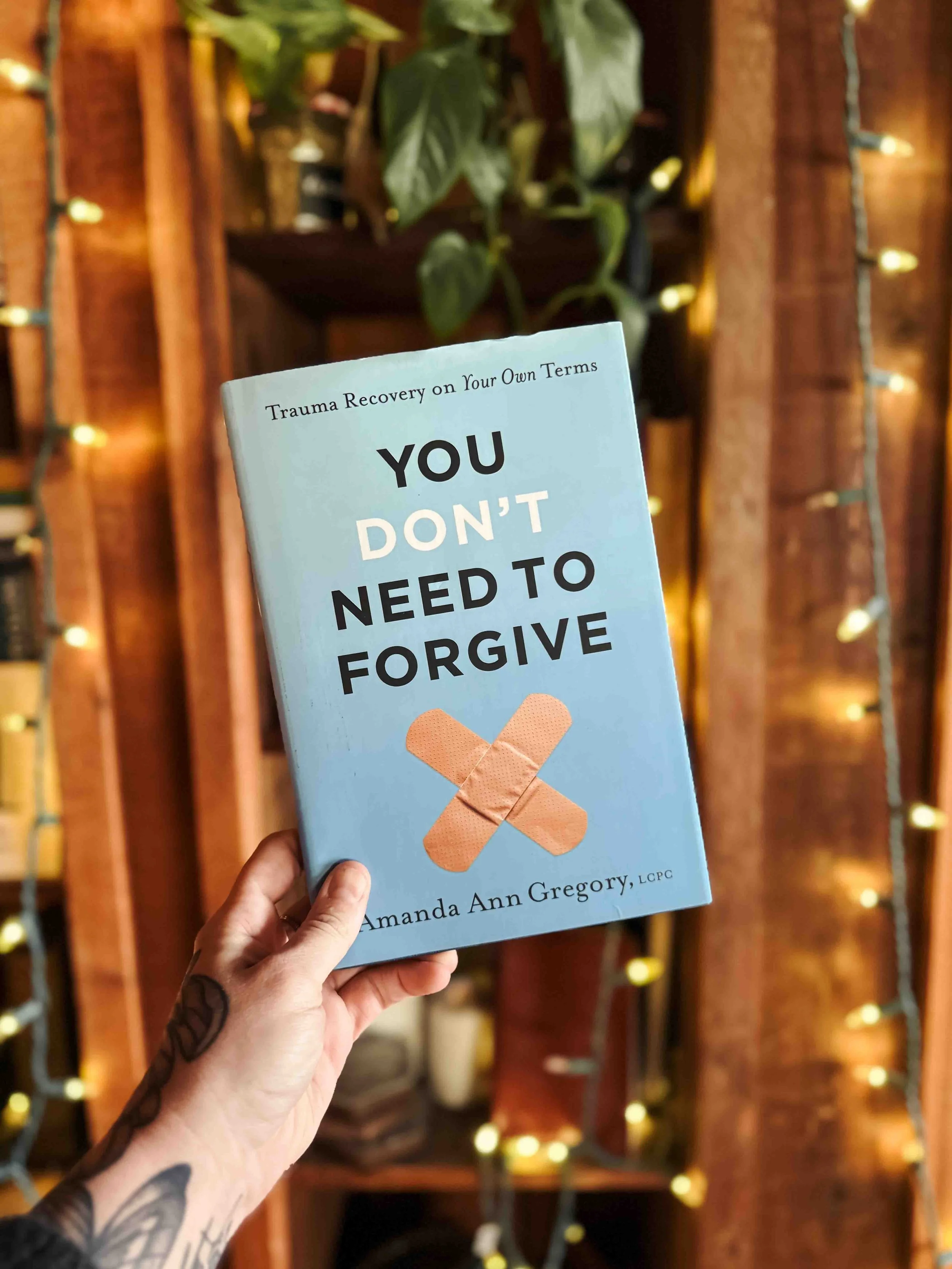
4) You Don't Need to Forgive: Trauma Recovery on Your Own Terms
by Amanda Ann Gregory, LCPC
A common narrative around healing is the pressure to forgive.
Many trauma survivors have been told that forgiveness is necessary for healing. However, that message can feel invalidating, premature, or even harmful.
For some, growing up in religious environments, many people are taught that forgiveness should be immediate and unconditional. While forgiveness may eventually become part of some people’s healing journeys, Gregory challenges the idea that it is a requirement for recovery.
Instead, this book focuses on empowering survivors to reclaim their autonomy, process their experiences honestly, and define healing for themselves. It offers a compassionate alternative to the pressure many people feel to “move on” before they’re ready.
I recommend this book for: Survivors struggling with guilt, pressure to forgive, or questions about what healing should look like.
Get the Book: Amazon | Bookshop.org
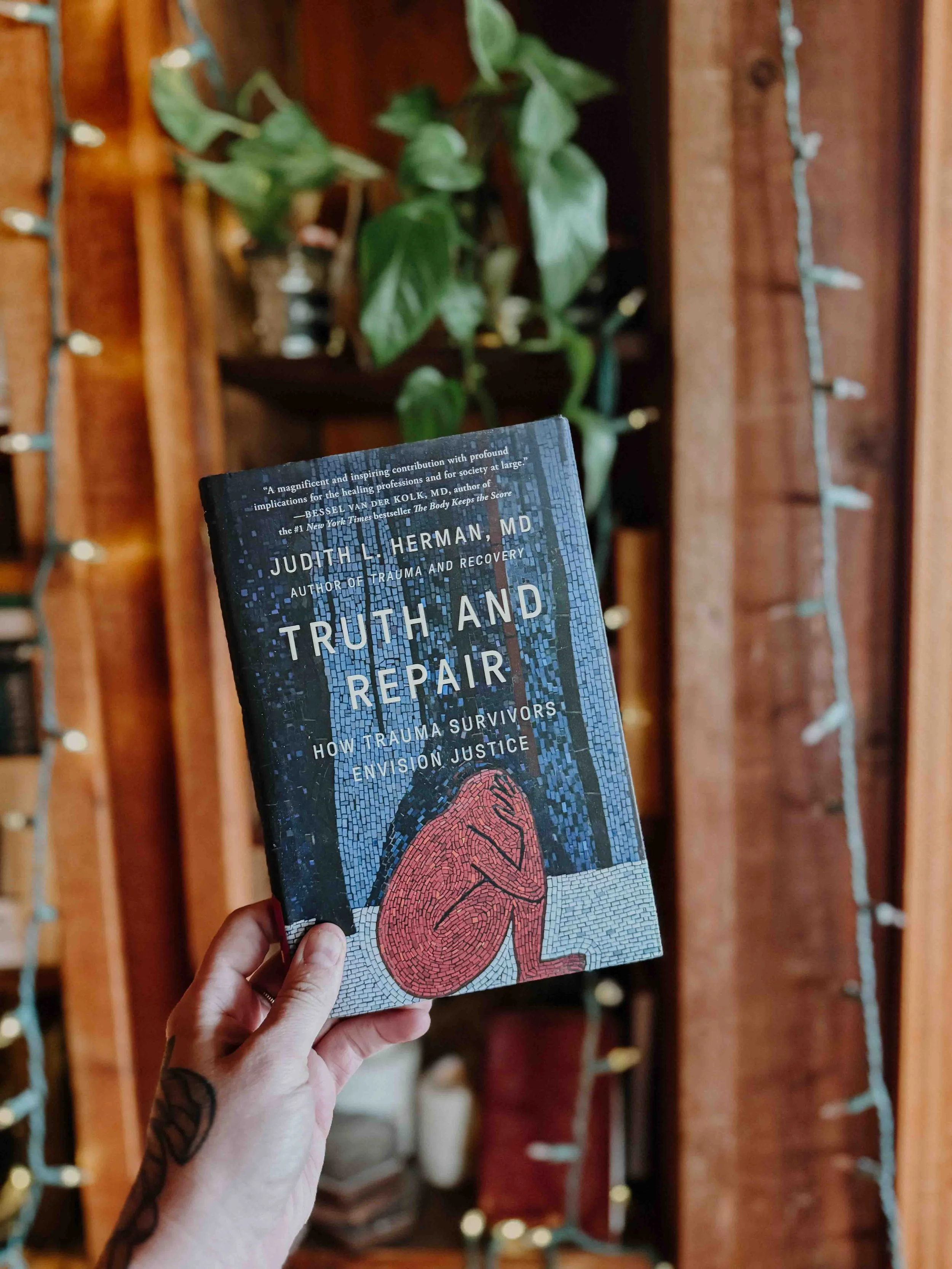
5) Truth and Repair: How Trauma Survivors Envision Justice
by Judith L. Herman, MD
Judith Herman is one of the most influential voices in the trauma field, and Truth and Repair continues her groundbreaking work.
In this book, Herman explores what survivors often need most after experiencing harm: acknowledgment, accountability, validation, and meaningful repair. Rather than focusing exclusively on individual healing, she examines how families, communities, institutions, and society respond to trauma.
What makes this book especially powerful is its emphasis on justice. Many survivors are left wondering why healing feels incomplete even after years of personal work. Herman helps readers understand that recovery is often connected to larger questions about truth, accountability, and repair.
I recommend this book for: Trauma survivors, advocates, and anyone interested in understanding the broader social dimensions of healing.
Get the Book: Amazon | Bookshop.org
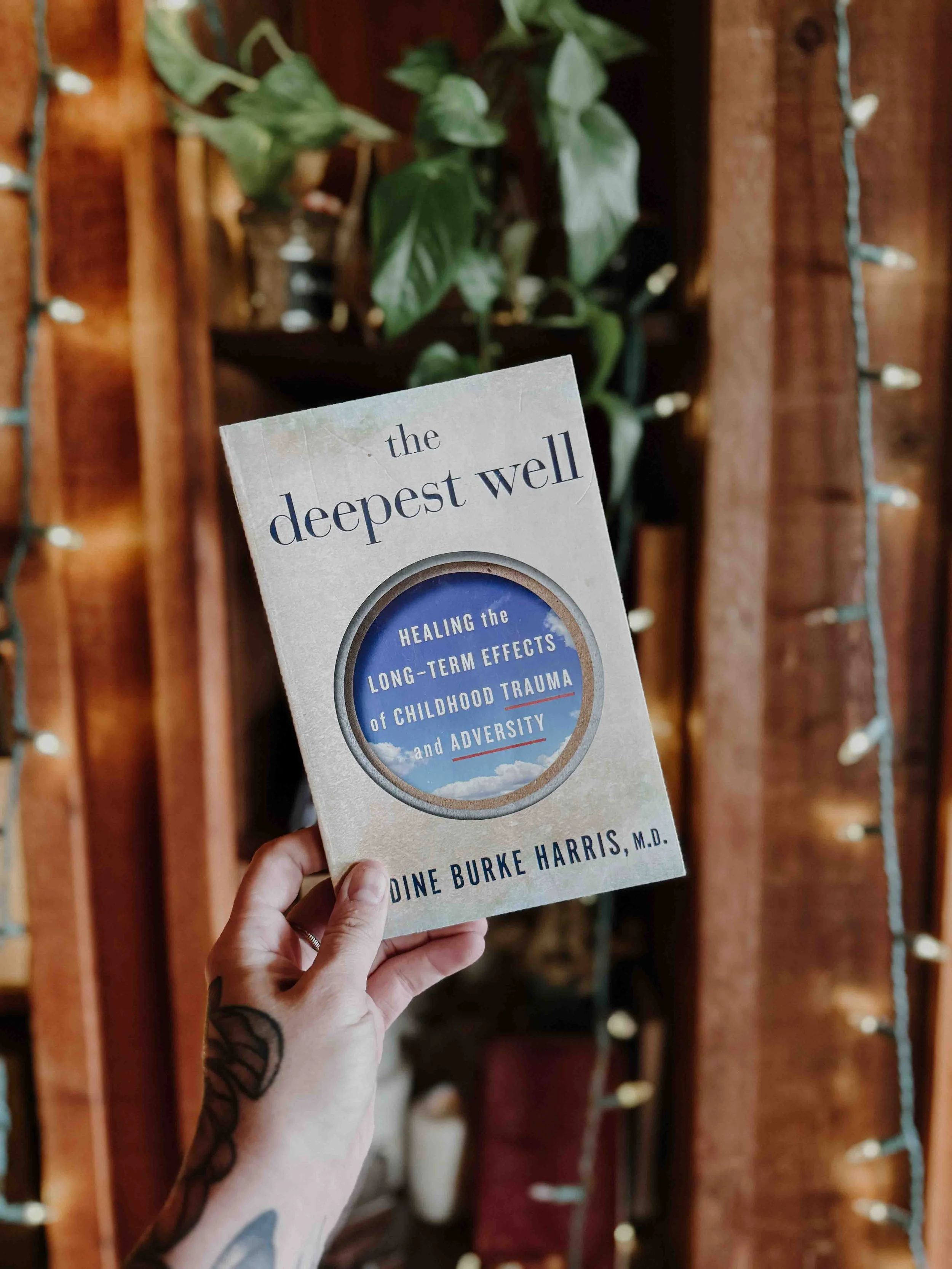
6) The Deepest Well: Healing the Long-Term Effects of Childhood Trauma and Adversity
by Nadine Burke Harris, MD
If you’ve ever heard the term ACEs (Adverse Childhood Experiences), there’s a good chance you’ve encountered Dr. Nadine Burke Harris’s work.
In The Deepest Well, she explores the growing body of research showing how childhood adversity can impact physical health, mental health, relationships, and overall well-being across the lifespan.
What I appreciate most about this book is that it helps readers understand that trauma isn’t “all in their head.” Childhood experiences can shape the body’s stress-response systems in very real ways. At the same time, Harris offers hope by highlighting the role of resilience, intervention, and healing.
I recommend this book for: Anyone wanting to understand the connection between childhood experiences, trauma, and long-term health.
Get the Book: Amazon | Bookshop.org
Final Thoughts
Books aren’t a replacement for therapy, but they can be powerful companions along the way.
They can help us feel less alone, put words to experiences we’ve struggled to explain, and offer new perspectives on healing and recovery.
Whether you’re working through trauma, learning about mental health, or supporting someone you care about, these are five books I frequently recommend and continue to return to myself.
Have you read any of these? I’d love to hear which mental health books have made the biggest impact on your journey!