
Moral Injury & Service Dogs: New Research on Animal-Assisted Therapy for Veterans
When you think about veterans and PTSD, you’re may think of what was used to call “shell shock”. Symptoms like experiencing flashbacks, nightmares, intrusive thoughts, hypervigilance, or sleep disturbances.
But trauma doesn’t just happen from being afraid for your life. Sometimes, it comes from a moral injury - when something happens that deeply violates your sense of right and wrong. It’s an experience that often changes how one views themselves - even if what happened was outside of their control.
A moral injury is the emotional and psychological distress that can result from doing something you deeply regret, being placed in a situation where every available choice conflicts with your values, witnessing something you couldn’t stop, or being betrayed by someone you trusted when you needed them most. It can leave behind guilt, shame, anger, a loss of trust, and deeper changes in how you see yourself, your relationships, or your sense of meaning and purpose.
Although moral injury has been studied extensively among military veterans, it can occur in other populations as well.
A recent 2026 research review explored an interesting question:
Could relationships with animals help address some of the wounds associated with moral injury?
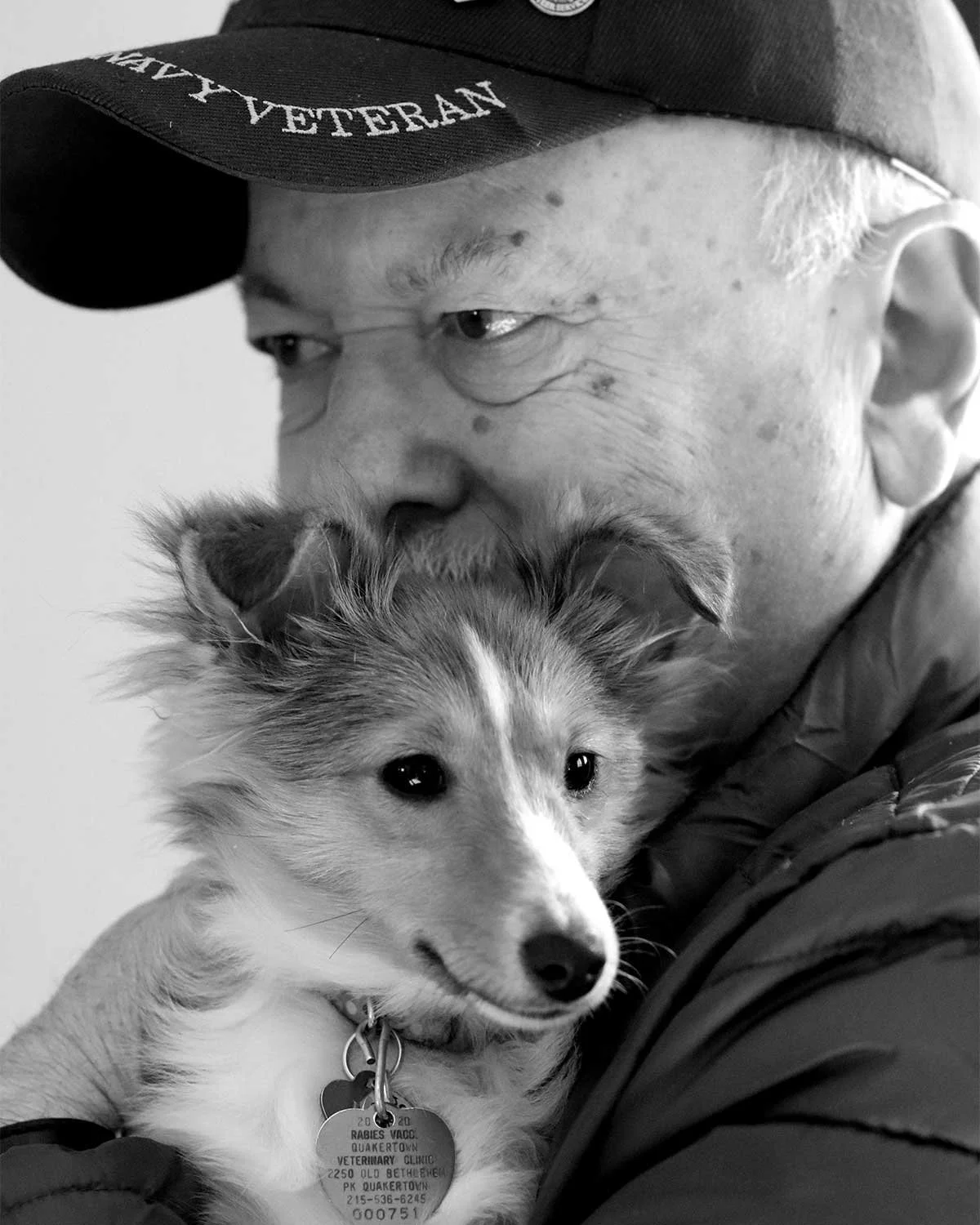
Researchers reviewed studies involving military veterans participating in animal-assisted services, working with psychiatric service dogs, and engaging in structured nature-based programs.
While the research is still emerging, the findings suggest that the human-animal bond may support some of the areas that moral injury tends to disrupt most—including trust, connection, self-compassion, emotional regulation, and a sense of purpose.
Key Takeaways
Moral injury and PTSD can overlap, but they aren’t the same. Moral injury is often characterized by guilt, shame, anger, betrayal, disrupted trust, and changes in meaning or identity.
Researchers reviewed 18 studies involving equine-assisted services, psychiatric service dogs, and nature-based programs for military veterans.
The strongest findings involved social connection, trust, belonging, moral emotions, and renewed meaning or purpose.
Service dogs were associated with outcomes including reduced social isolation and anger and greater companionship, resilience, life satisfaction, and connection.
Some animal-assisted interventions were also associated with decreased guilt and self-judgment and increased self-compassion.
The evidence is promising but preliminary. Only one of the 18 studies directly measured moral injury using a validated measure, so we cannot yet say that animal-assisted services or service dogs treat moral injury itself.
What Is Moral Injury?
Moral injury can develop following experiences that profoundly violate someone's deeply held moral beliefs or expectations.
That might involve something a person did, failed to prevent, witnessed, or experienced themselves.
Although moral injury and PTSD can occur together, and often do, they aren’t interchangeable for one another.
PTSD is commonly associated with the nervous system's response to danger: intrusive memories, avoidance, hyperarousal, and changes in mood and cognition.
Whereas, moral injury is more closely tied with experiences such as guilt, shame, anger, betrayal, damaged trust, questions about one's own character, and a loss of meaning or purpose.
Someone struggling with moral injury might find themselves thinking:
How could I have done that?
Why didn't I stop it? What is wrong with me?
How could someone I trusted let that happen?
What does this say about who I am?
How am I supposed to trust anyone again?
Those questions aren't simply about remembering something traumatic that happened. This can affect how someone relates to themselves, other people, and the world around them.
Why Researchers Are Looking at Animals and Moral Injury
Much of the existing research on animal-assisted services and psychiatric service dogs has focused on PTSD.
Veterans participating in both equine and canine assisted programs have reported improvements in PTSD symptoms, mood, stress regulation, social connection, and well-being.
Psychiatric service dogs have also been associated with improvements in emotional regulation, interpersonal functioning and social isolation.
But researchers Knight, Ng, and Fletcher wondered whether something else might be happening.
The human-animal bond can offer a relationship that feels different from many human relationships.
Animals can provide companionship and connection without requiring someone to explain or justify what happened to them.
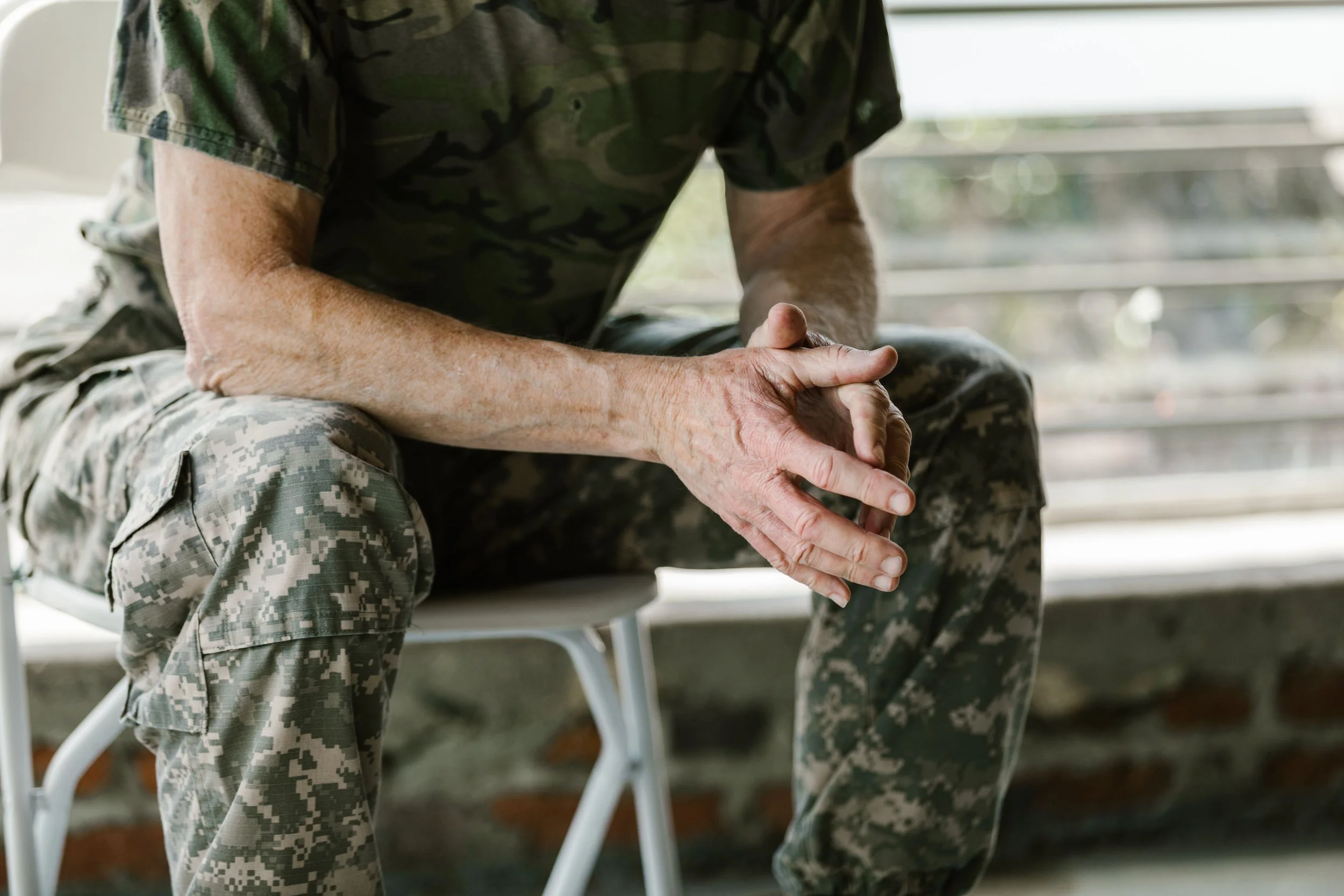
The researchers propose that this relationship may be particularly relevant when trauma has damaged someone's ability to trust, connect, experience compassion toward themselves, or feel that they still belong.
They describe the human-animal bond as potentially providing a corrective relational experience.
And that matters quite a bit when the injury itself is relational.
Animals May Help Rebuild Trust and Connection
Of all the areas examined in the review, social connection had the strongest evidence.
Across animal-assisted services, psychiatric service dogs, and nature-based programs, studies reported improvements in:
trust
belonging
companionship
social connection
interpersonal relationships
family relationships
social isolation
Veterans participating in equine-assisted programs described developing reciprocal, trust-building relationships with horses that sometimes carried into their relationships with other people.
Service-dog studies found reductions in social isolation, while spouses and partners described increased emotional and family connection.
These findings are especially meaningful in the context of moral injury.
When someone's experience has taught them that people aren't safe, trustworthy, or dependable, asking them to simply "trust people again" isn't particularly useful. A relationship with an animal can offer a different starting point into a trusting, reciprocal relationship.
The researchers suggest that animals may act as a kind of relational bridge, allowing someone to experience reciprocity, attachment, companionship, and trust in a relationship that can initially feel safer or less complicated than human relationships.
The animal isn't replacing human connection, but instead may help create opportunities to practice it again.
The Human-Animal Bond May Support Self-Compassion
Moral injury tends to obliterate self-compassion. It makes you question yourself, your worth, your integrity, your value to the world.
One service-dog study included in the review examined a program in which veterans helped train their own dogs that had their own histories of adversity.
Providing patience, care, and compassion toward another vulnerable being created opportunities for participants to begin extending some of that same compassion toward themselves.
The results showed that participants demonstrated increased self-compassion and decreased self-judgment.
There's something powerful about recognizing that another living being can struggle, react imperfectly, need patience, and still be deserving of care.
Sometimes we're considerably better at offering that understanding to an animal than we are at offering it to ourselves.
Animal-Assisted Therapy May Help With Guilt and Anger
Researchers also found promising results related to some of the emotions commonly associated with moral injury.
Across both equine-assisted and psychiatric service-dog studies, participants experienced improvements in anger and emotional regulation.
One study involving equine-facilitated Cognitive Processing Therapy (CPT) found significant reductions in trauma-related guilt, including global guilt, guilt-related distress, hindsight bias, perceived wrongdoing, and other guilt-related beliefs.
That doesn't mean spending time with a horse or dog automatically resolves guilt, but the integration of an animal into established trauma therapy helps complement therapeutic work by addressing the thoughts, emotions, relationships, and beliefs that can become tangled together after trauma.
Caring for an Animal May Help Restore a Sense of Purpose
Moral injury doesn't only affect how someone feels about the past. It can change how they imagine their future, too.
When an experience disrupts someone's identity or worldview, questions like Who am I now? and What matters anymore? can become difficult to answer.
Across several studies, researchers found themes of renewed purpose, hope, accomplishment, engagement, spirituality, and connection to something beyond oneself.
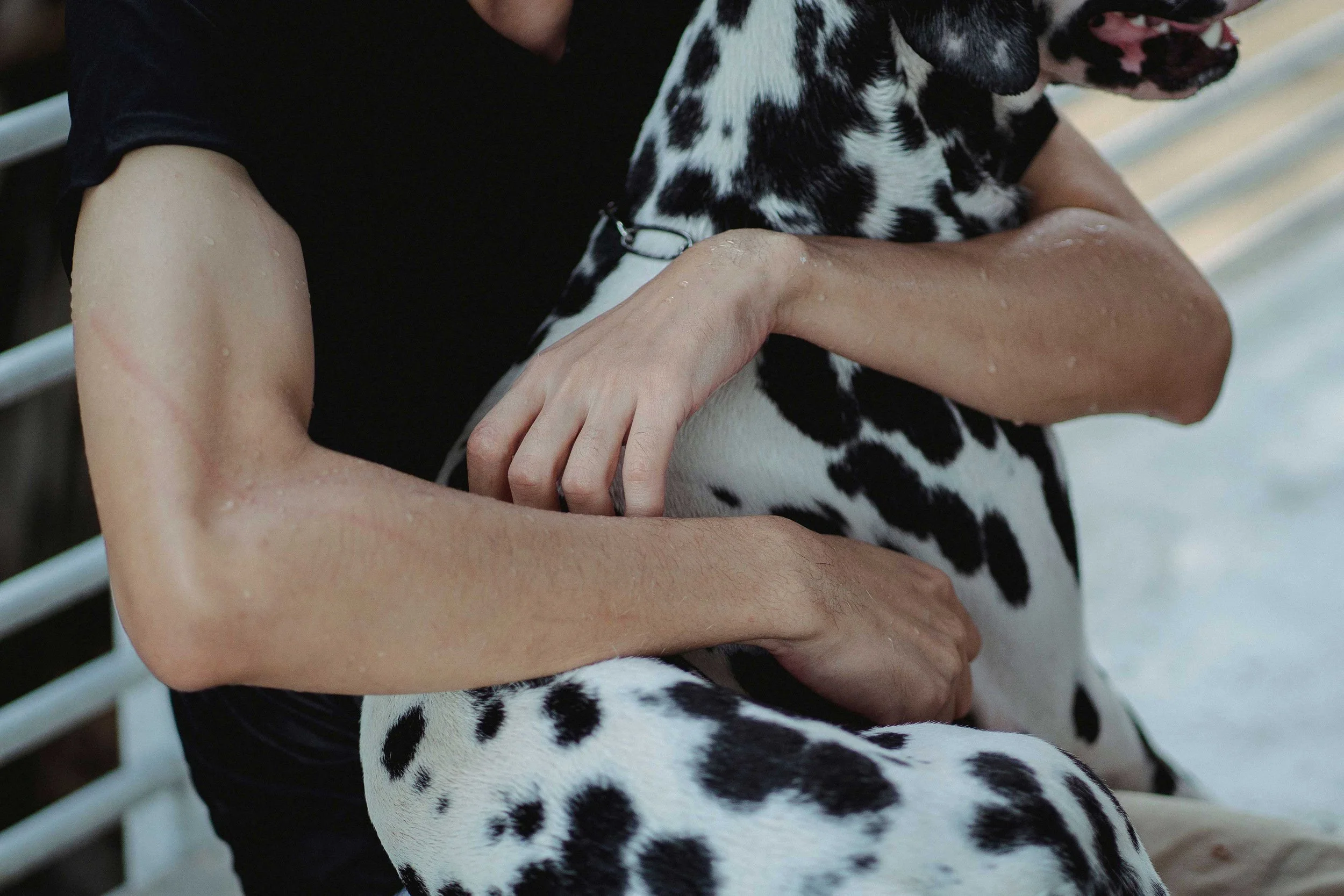
Veterans working with psychiatric service dogs described increased purpose associated with caring for and training their dogs.
Equine-assisted programs included reports of renewed hope and future orientation.
Nature-based programs produced themes involving personal growth, connection with the natural world, and a greater understanding of one's place within a broader ecosystem.
Caring for another living being creates structure and responsibility, but it can also create reciprocity: Something needs me. I can care for something. I can contribute. I still have a place here.
For someone whose trauma has disrupted their identity or sense of worth, those experiences can carry significant meaning.
What About Psychiatric Service Dogs and PTSD?
Every study in the review that assessed PTSD symptoms reported reductions.
The strongest evidence came from research comparing veterans partnered with psychiatric service dogs with veterans on a waitlist.
Veterans with service dogs experienced significantly lower PTSD symptom severity, including differences identified through clinician-administered assessments.
Other studies found improvements in depression, social isolation, companionship, resilience, life satisfaction, emotional regulation, and overall quality of life.
But there's an important distinction…
Improving PTSD symptoms does not necessarily mean someone's moral injury has improved.
The two can overlap, but they involve different psychological processes.
The authors specifically caution against interpreting reductions in PTSD as proof that animal-assisted interventions reduce moral injury.

What We Still Don't Know
This research is promising, but it's also very early.
The biggest limitation of the review is significant: only one of the 18 studies actually measured moral injury directly using a validated moral injury measure.
That study found a significant reduction in moral injury scores following treatment, but participants received a multimodal program that included EMDR, yoga, narrative writing, and equine-assisted psychotherapy.
Because several interventions happened simultaneously, researchers couldn't determine how much of the improvement could be attributed specifically to the equine component.
The remaining studies measured outcomes associated with moral injury—things like guilt, anger, trust, self-compassion, social connection, and purpose—and the review authors mapped those outcomes onto a theoretical model of moral injury.
There were other limitations, too. Studies varied considerably in design and terminology, and participants were predominantly White men from Western countries. The researchers emphasize the need for larger, more diverse studies that directly measure moral injury using validated instruments.
So we aren't at the point where we can say, Service dogs treat moral injury.
What we can say is more nuanced—and arguably more interesting.
Animals May Offer a Different Kind of Relationship After Trauma
The most compelling part of this research may not be whether animals reduce a particular symptom score, but more about what the relationship itself can provide.
Moral injury can disrupt trust, belonging, identity, compassion, connection, and someone's sense that they still have a meaningful place in the world.
Across the studies included in this review, relationships with animals repeatedly intersected with those same areas.
The authors ultimately suggest that the human-animal bond may function as a corrective relational experience—one that could complement trauma therapy by addressing some of the moral, emotional, and social consequences of trauma that aren't fully explained by fear-based models of PTSD.
Animals aren't therapists, and a relationship with an animal isn't a substitute for trauma treatment.
But for some people, an animal may offer something profoundly therapeutic: a relationship in which connection can happen before words do, trust can develop gradually, care can move in both directions, and being imperfect doesn't make you unworthy of companionship.
Frequently Asked Questions
What is moral injury?
Moral injury describes the psychological, relational, and sometimes spiritual distress that can follow experiences that violate deeply held moral beliefs or sense of self. It may involve guilt, shame, anger, betrayal, loss of trust, changes in identity, social disconnection, or difficulty finding meaning or purpose after what happened.
Is moral injury the same as PTSD?
No. They can occur together, but they're considered distinct and overlapping responses to trauma.
PTSD is more strongly associated with fear and threat responses, while moral injury tends to involve guilt, shame, betrayal, moral conflict, damaged trust, identity, and meaning.
Can service dogs treat moral injury?
We don't have enough research to say that yet. Service-dog studies have found improvements in areas relevant to moral injury—including social isolation, anger, self-compassion, connection, and purpose—but very little research has directly measured moral injury itself.
How might animals help someone who has experienced trauma?
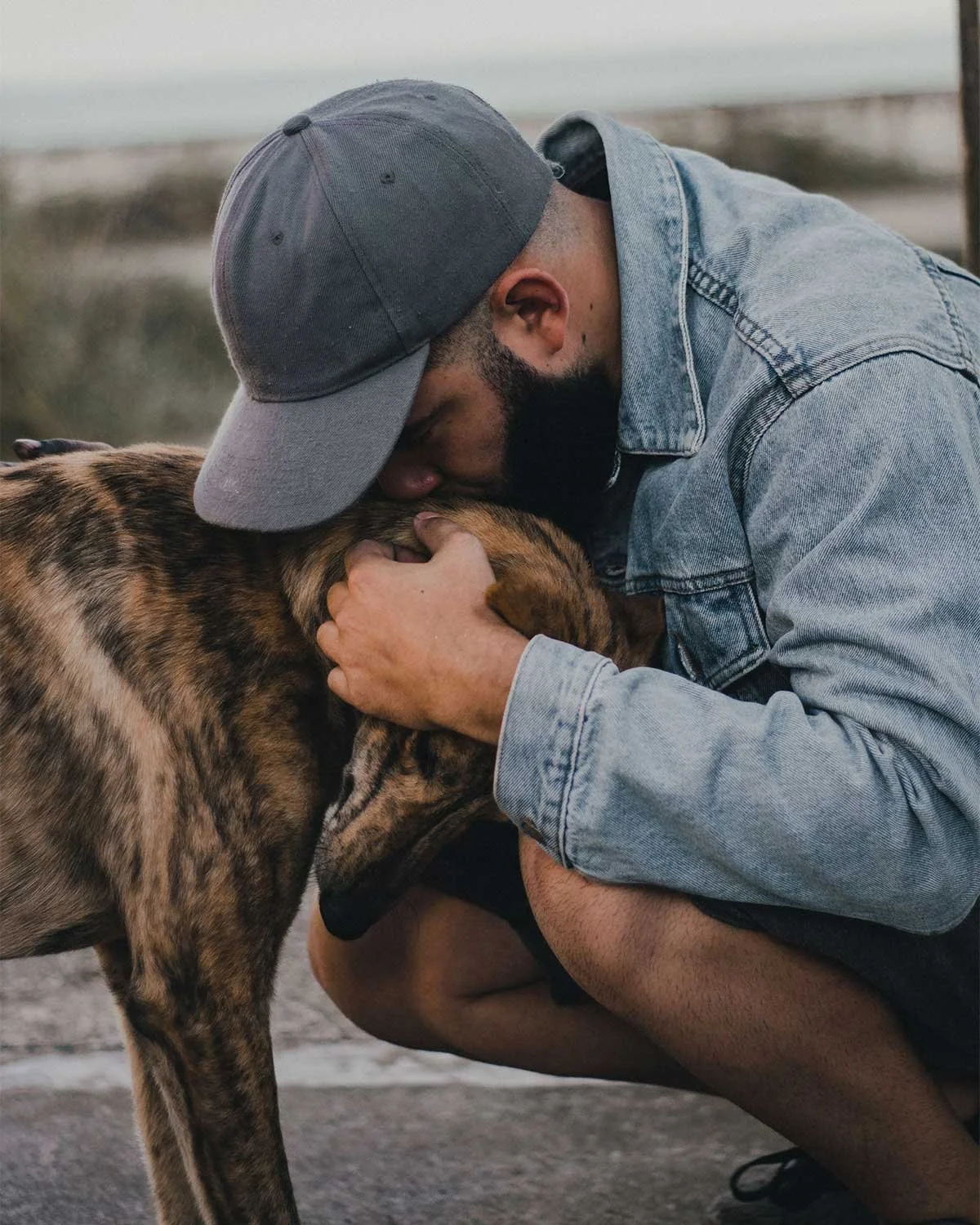
The research reviewed here suggests several possible pathways, including increased trust and companionship, reduced isolation, emotional regulation, self-compassion, renewed purpose, and opportunities for safe relational connection. The authors propose that the human-animal bond may sometimes function as a corrective relational experience.
I dive deeper into how animals can help support mental health and trauma recovery in this post.
Is animal-assisted therapy a replacement for trauma therapy?
No. The findings support animal-assisted services and psychiatric service dogs as potential complementary approaches, not replacements for evidence-based trauma treatment. More research is also needed to understand exactly how animal-assisted interventions affect moral injury.
Looking for Trauma Therapy in Colorado?
Trauma can affect much more than your memories of what happened. It can change how you see yourself, how safe you feel with other people, what you believe about the world, and whether you still feel connected to the person you were before.
At Therapy With Chaucee, I work with adults navigating complex trauma, PTSD, shame, grief, identity, and the complicated ways past experiences can follow us into the present. My approach is relational, collaborative, and trauma-informed.
I also have a therapy dog in training, with plans to incorporate animal-assisted therapy into my work in the future.
If you're looking for trauma therapy in Colorado, you can schedule a free consultation to see whether working together might be a good fit.
Reference
This post discusses research reviewed from this study: Investigating the influence of animal-assisted services and service dogs on moral injury in military veterans: A scoping review