

online across coloradoTrauma Therapy in Colorado
Relational and integrative counseling for humans navigating complex trauma, anxiety, grief, depression, and difficult family relationships.

You’ve gotten really good at getting through things.
Keeping it together, pushing through, taking care of what needs to be done.
But functioning isn’t always the same thing as feeling okay.
You don’t have to be in crisis to know you want something to change.

Colorado Therapy Services

Individual Therapy
Together, we’ll make sense of what’s keeping you stuck, understand the patterns beneath it, and build the confidence to trust yourself again.

Group Therapy
Wounds often happen in relationships, and healing can happen there, too. Group therapy offers connection, support, and community.

Animal-Assisted Therapy
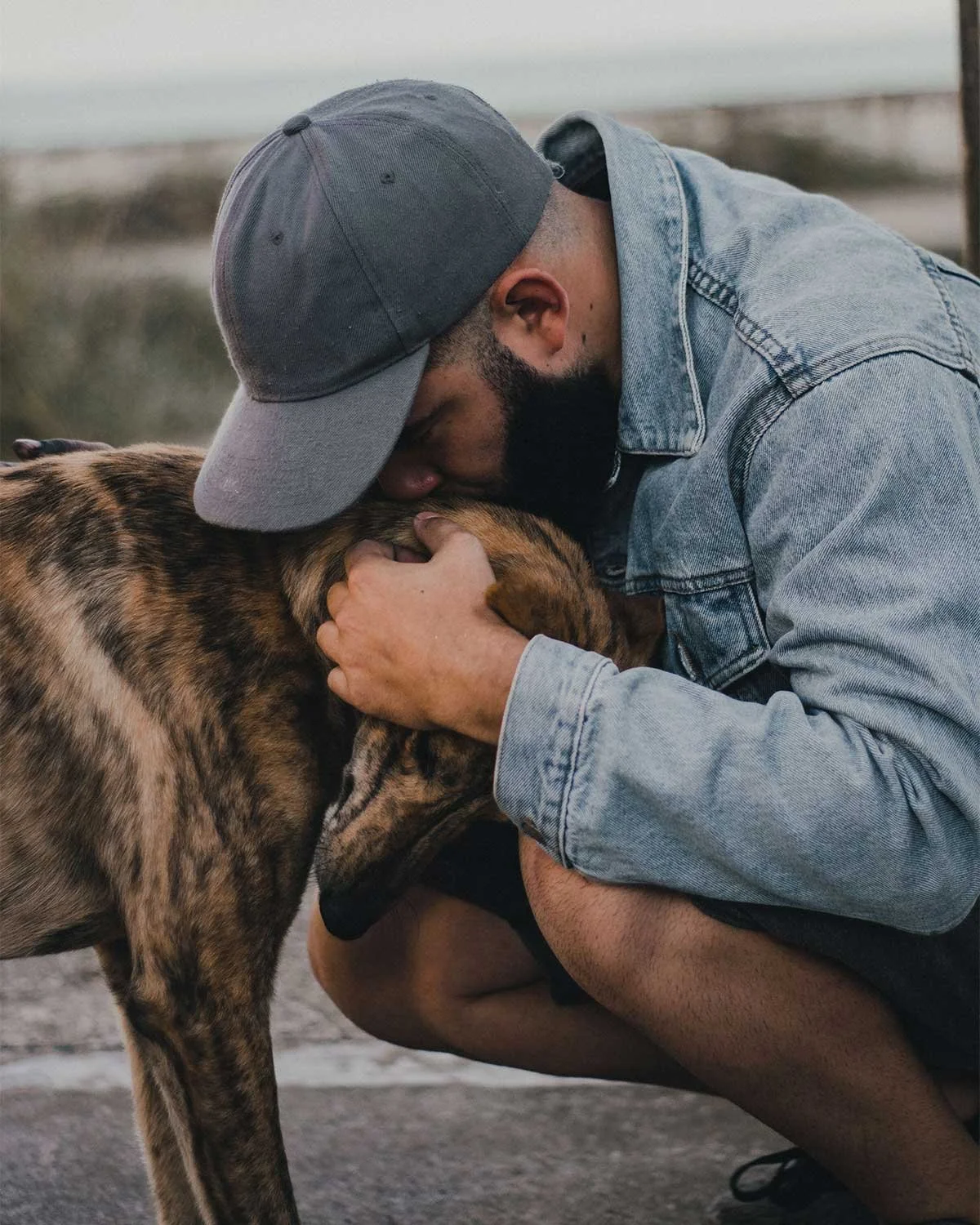
Sometimes the presence of a therapy dog can make it a little easier to slow down, feel grounded, and engage in the work of therapy.

Meet Chaucee

Hi, I'm Chaucee, a trauma therapist living in the mountains of Colorado.
Alongside my service dog, Jax, I offer warm, relational therapy grounded in compassion, curiosity, and a touch of dark humor - because sometimes that’s exactly what gets us through the hard parts.
I support people navigating trauma, anxiety, depression, grief, recovery, self-doubt, and relationship struggles. Together, we’ll explore the beliefs and patterns keeping you stuck and help you reconnect with your intuition, self-trust, and innate wisdom.
Areas I Commonly Support
People come to therapy for many different reasons. Here are some of the concerns I commonly support.
-
Complex trauma often develops from repeated experiences where safety, connection, or trust were disrupted over time. It can show up as feeling constantly on edge, emotionally shut down, disconnected from yourself, or stuck in patterns that no longer serve you. Therapy can help you better understand how these experiences continue to shape your life while creating new ways of relating to yourself, others, and the world around you.
-
Anxiety isn’t always panic attacks. Sometimes it looks like replaying conversations, expecting the worst, struggling to relax, or feeling like your mind never gets a break. Together, we’ll explore what may be driving your anxiety while building practical tools to help you feel more grounded, present, and confident in trusting yourself.
-
Depression can leave you feeling emotionally exhausted, disconnected, or like you’ve lost the version of yourself you used to know. Burnout can have a similar effect, making it difficult to find motivation or experience joy. Therapy provides space to understand what’s contributing to these feelings while helping you reconnect with what matters most to you.
-
Many men have been taught to push through, stay strong, or keep difficult emotions to themselves. Therapy offers a space to talk openly, develop healthier ways of coping, and navigate life’s challenges without judgment.
-
Relationships often reflect the ways we’ve learned to protect ourselves. Whether you struggle with people-pleasing, boundaries, conflict, trust, or feeling disconnected from others, therapy can help you understand these patterns with curiosity rather than judgment while creating healthier ways of connecting.
-
If your faith or religious upbringing left you carrying shame, fear, or confusion, therapy can provide space to process those experiences, explore your beliefs, and reconnect with your values—whatever that looks like for you.
-
Grief comes in many forms—not just after the death of someone we love. You may be grieving a relationship, a version of yourself, your health, or a life you expected to have. Therapy offers space to honor your grief, make sense of what you’re carrying, and find ways to move forward without leaving your experiences behind.
-
Recovery isn’t about perfection. Whether you’re questioning your relationship with substances, maintaining long-term recovery, or simply wanting to understand your patterns more deeply, therapy offers a space free from shame or judgment. My approach is grounded in harm reduction and recognizes that healing looks different for everyone.

Taking the first step is the hardest part. Let's start with a conversation.
The Blog



Stay Connected
Stay connected for new writings, upcoming workshops and groups, and resources to support you in navigating grief and loss.